Seasonal Health · Dog · 06 Nov 2026
How Cold Is Too Cold to Walk Your Dog?
By Burrow · 06 Nov 2026
TL;DR
- **There is no universal cut-off.** No universally accepted, evidence-based walking temperature has been established for all dogs.
- **The charts have limitations.** Some draw on welfare-assessment tools intended for dogs exposed to outdoor conditions, rather than supervised walks.
- **The dog matters more than the number.** Small, slim, very young, older and short-haired dogs may be more vulnerable to cold, and wet or windy weather makes it worse.
- **Watch your dog, not the thermometer.** Lifting paws, stopping, whining and shivering are signs to turn for home.
- **Winter hazards extend beyond cold.** Road salt, ice and antifreeze create additional risks, particularly for paws and accidental poisoning.
- **Shorter can be better.** On the worst days, shorter walks plus indoor games may be more comfortable than one long outing.
There is no single temperature at which a walk becomes unsafe for every dog. Size, coat, age and health all matter, and so does whether the weather is wet or windy. Many of the charts circulating online were adapted from tools designed for a different purpose.
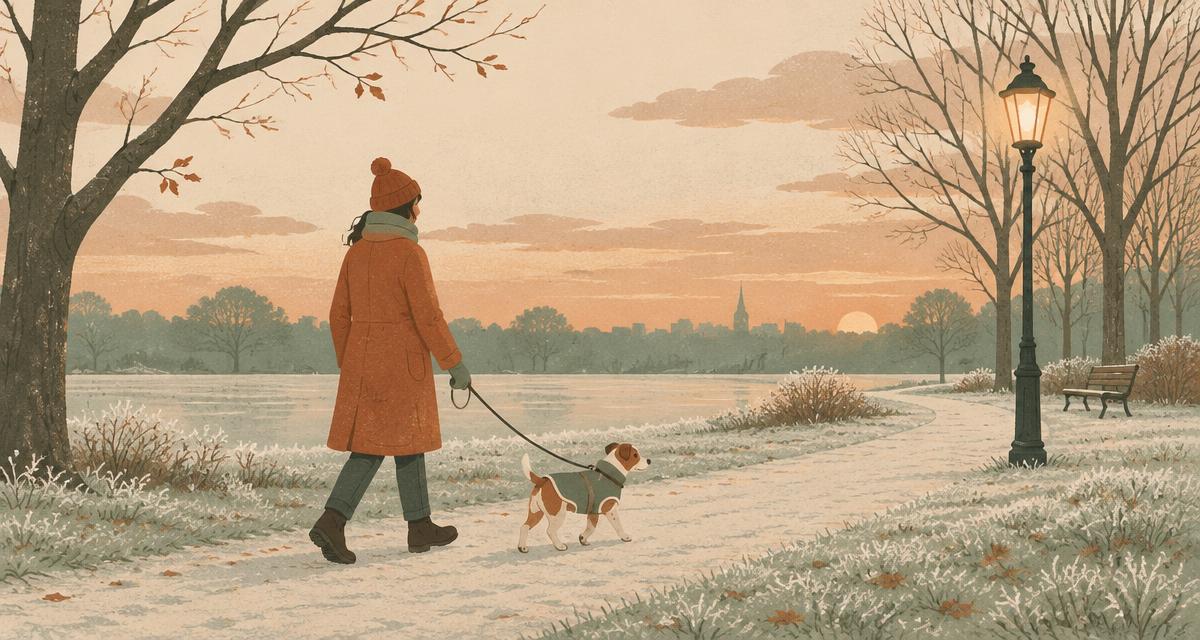
Every winter, the same colour-coded charts reappear on social media. They promise a simple answer: find your dog's size, find the temperature, and the chart tells you whether a walk is safe, risky or dangerous. It is an appealing idea, and some dogs do feel the cold badly. But the charts cannot weigh up the things that matter most on a British winter walk, and no universally accepted, evidence-based walking cut-off has been established for all dogs.
Where the charts come from
One influential source behind online temperature charts is the Tufts Animal Care and Condition (TACC) weather-safety scale, developed by veterinary researcher Gary Patronek in the 1990s. It was designed to help vets, animal-control officers and cruelty investigators assess the welfare of dogs exposed to different weather conditions. It was not intended to prescribe the safe duration of a walk.
The original scale considers more than temperature. It takes account of factors including size, coat type, rain or sleet, shelter and acclimatisation, and recognises that duration of exposure matters. Simplified versions can lose that context. Even the original cannot tell you precisely how long your particular dog should walk on a cold, wet morning.
That does not mean cold is harmless. Vets at Washington State University's veterinary teaching hospital describe seeing hypothermic and frostbitten dogs and cats every year in their own clinic, mostly dogs kept outdoors without adequate shelter, or dogs that ran off and were loose for a long time. That is the university's clinical experience, not a measure of how often hypothermia happens nationally, but it points to a different situation from a brisk walk with an owner who can turn for home.
What UK guidance says
The RSPCA's winter advice for dog walks focuses on the dog in front of you. If you have an elderly or sick dog, it suggests a coat or jumper to keep them warm. It also advises reflective clothing on dark walks, keeping dogs away from ponds and lakes that are iced over because thin ice may break, and watching for paws becoming compacted with snow.
You may see headlines claiming the RSPCA says dogs should not be walked below a particular temperature. The frequently quoted 10°C figure comes from different advice. The RSPCA advises against keeping dogs permanently outdoors and recommends a warm, dry sleeping area, with a safe heat source to keep it above 10°C. That is guidance on accommodation, not a temperature below which every dog must stop walking.
The Kennel Club takes a similar approach, saying every dog is different, but that small, slim, very young or older dogs and those with short hair may be more at risk from cold weather.
The dogs that feel it most
A dog's own insulation, size and condition shape how quickly it loses heat. Small dogs lose heat faster because they have more skin for their size. Thin coats, single coats and recently clipped coats offer less protection than thick double coats. Puppies are less good at regulating their temperature, and some older dogs have less muscle or are in poorer condition, which can make them feel the cold sooner.
Cold weather can be particularly difficult for dogs with arthritis or other mobility problems. Stiffness, discomfort and slippery pavements may make their usual route harder to manage, even when the temperature itself is not dangerously low. Shorter, more frequent walks on even ground may be easier than a long outing. If your dog is repeatedly limping, struggling to get up or refusing walks it previously enjoyed, speak to your vet instead of assuming it is simply feeling the cold.
Flat-faced breeds, including French bulldogs, pugs and English bulldogs, need a slightly different consideration. Their breathing difficulties can limit exercise tolerance, and some dogs may struggle with exertion regardless of the weather. They are not necessarily more vulnerable to cold simply because of their facial shape, but owners should adapt walks to their individual breathing and fitness. Noisy or laboured breathing, distress or unusual exhaustion should not be dismissed as a normal response to winter exercise.
Weather adds to all of this. Being wet removes much of the insulating value of fur, and wind strips warmth away faster. A cold, still, dry morning is very different from a raw, wet, windy one at the same temperature.
How to tell your dog is too cold
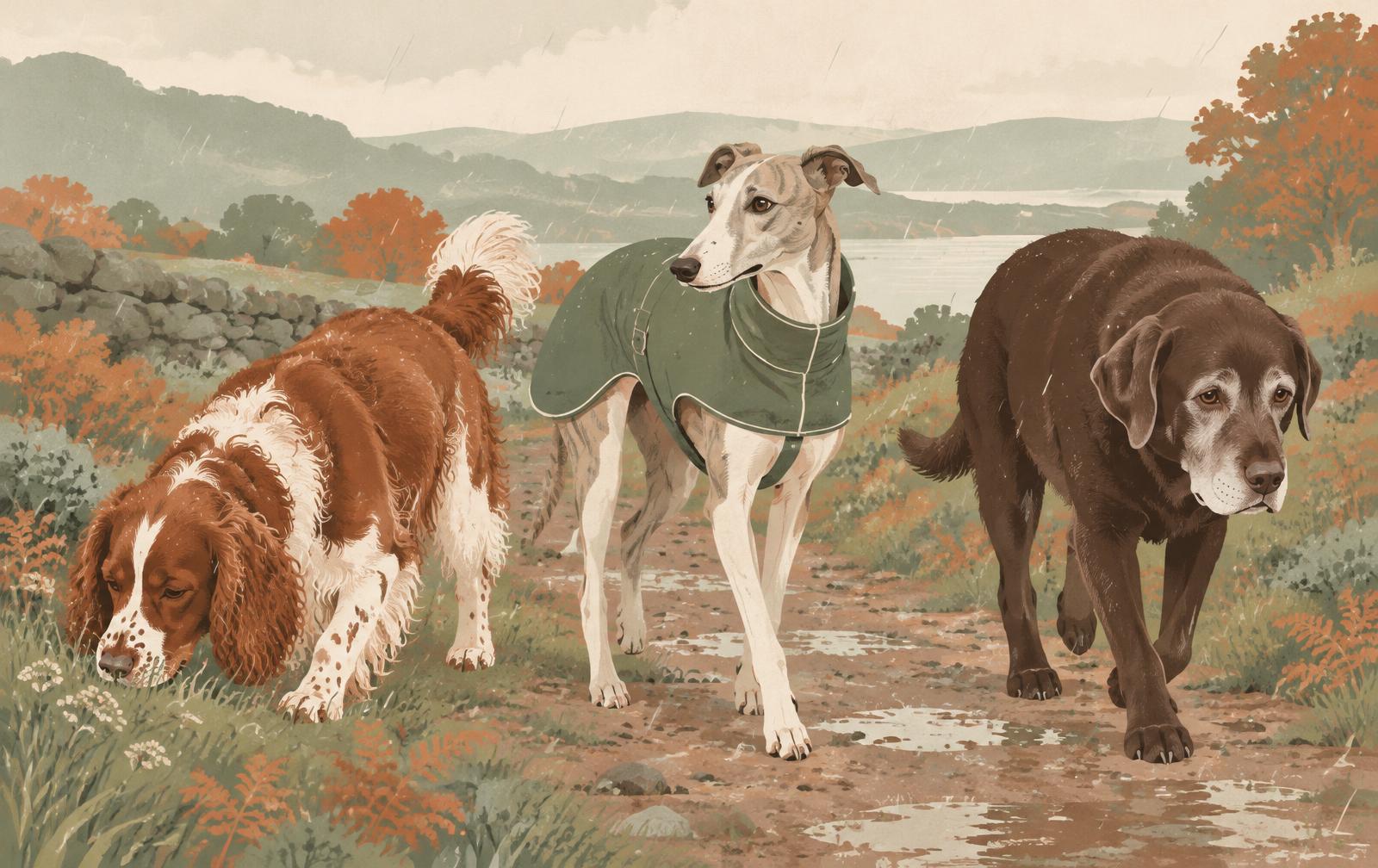
Watch your dog, not the forecast. The Kennel Club notes that if your dog lifts its paws, stops walking or whines, its paws may be too cold, although paw-lifting can also mean irritation from grit or an injury, so check its feet. Other early signs of cold include shivering, a hunched posture, a tucked tail, slowing down or trying to head home.
If you see these signs, cut the walk short, get your dog somewhere warm and dry it thoroughly with a towel, which is also what the RSPCA advises when pets get wet or cold. Most dogs recover quickly once they are warm and dry.
Signs that require urgent veterinary attention include weakness, confusion, poor coordination, unusual drowsiness or collapse after cold exposure. Severe hypothermia can cause shivering to stop, so a dog becoming unusually quiet is not necessarily recovering. Call your vet immediately, move the dog somewhere sheltered, gently dry it if wet and wrap it in blankets while arranging veterinary care. PDSA advises warming a dog slowly, offering lukewarm water if it is awake and able to drink, and avoiding direct heat or hot objects against the skin. Veterinary assessment remains important even if the dog appears to improve.
Frostbite is different. Hypothermia affects the body's core temperature, while frostbite is localised tissue damage, usually to the ears, tail, paw pads and toes after prolonged exposure to severe cold. It is rare in the UK, but WSU's vets note that painful frostbitten paws can make a dog look as if it is prancing. If you suspect frostbite, contact your vet.
When a coat helps
A coat is useful for dogs that genuinely struggle in the cold: small and slim breeds, short-coated and single-coated dogs, older dogs and those with health problems. Many thick-coated dogs do not need one and may become uncomfortably warm during vigorous exercise. The RSPCA says a coat should fit well and comfortably and allow your dog to behave normally, including going to the toilet easily. Dogs Trust advises introducing a coat gradually and positively, and taking it off once you are home helps your dog avoid getting too warm.
A waterproof coat can help more than a thick one on wet days, because staying dry is half the battle. Dog boots can protect paws from grit and ice, but most dogs need time to get used to them.
The hazards underfoot
Cold air is only part of winter walking safety. Ice, road salt and antifreeze introduce separate hazards, and some require a more urgent response than an uncomfortable walk.
Rock salt and grit. The Veterinary Poisons Information Service notes that salt toxicity in winter can come from the rock salt used on roads, and can be very serious if not treated. PDSA adds that grit and salt can get caught between the pads, irritate the skin and cause stomach upsets if licked or eaten. Wipe or rinse your dog's paws and lower legs with plain water after walks on gritted pavements, and check between the toes.
Snow and ice between the toes. In snowy weather, compacted snow can collect between a dog's paw pads and form uncomfortable ice balls, particularly in dogs with longer fur around their feet. Check paws during and after walks, and remove trapped snow gently instead of pulling at it. Keeping excess fur around the pads neatly trimmed may help, although trimming should be done carefully to avoid injuring the skin.
Antifreeze. Some antifreeze products contain ethylene glycol, which can cause life-threatening kidney damage if swallowed. Even small amounts may be dangerous. Products vary, so owners should check labels, store them securely and keep dogs away from spills around vehicles and garages. PDSA notes that ethylene glycol tastes sweet, so pets that find a spill are likely to drink it.
Ice. Slippery surfaces can injure dogs as well as people, particularly older dogs with stiff joints. Choose gritted or even routes where you can, and slow down on icy patches.
If your dog may have swallowed antifreeze or a significant quantity of road salt, contact your vet immediately. Do not attempt to make your dog vomit unless a vet specifically instructs you to do so. If possible, take the product packaging or a photograph of its label.
Swapping a long walk for shorter ones
Exercise still matters in winter, for physical health, behaviour and wellbeing. On the worst days, two or three shorter walks may be more comfortable than one long one, and a route that loops past your home makes it easy to cut a walk short. Walk at the warmest point of the day if you can, and avoid standing still for long periods at the park.
Indoor games can fill the gap. Dogs Trust suggests hide and seek, find-it games, puzzle and food-dispensing toys and long-lasting chews. Short training sessions use your dog's brain and energy without a long outing.
Walking safely after dark
Short winter days mean many dogs are walked before sunrise or after sunset. Reflective collars, harnesses and leads can help other road users see them, while a torch makes uneven ground, ice and other hazards easier to spot. Keep dogs under close control near roads and unfamiliar paths. Dogs Trust also suggests checking leads, collars and harnesses regularly, because wet weather can wear and rust metal clips.
Frozen ponds, lakes and rivers are particularly dangerous because the ice may not support a dog's weight. Keep your dog on a lead near frozen water. Dogs Trust advises that if your dog falls through, you should not go in after it, because cold water shock can kill people. Encourage your dog to swim back to you, and call 999 if you need help.
Try this today
Before your next cold walk, think about your own dog, not a chart: its size, coat, age and health. Put a towel by the door so you can dry your dog straight away when you get in, and a bowl of plain water and a cloth to wipe paws after gritted pavements. Check where your antifreeze and screen wash are stored, and whether either contains ethylene glycol. And on the next wet, windy day, try two short walks instead of one long one, and watch whether your dog seems more comfortable.
The Bottom Line
The charts that circulate every winter give a false sense of precision. There is no temperature at which every dog becomes unsafe on a walk, and tools designed for a different purpose cannot judge your own dog on a wet, windy morning. Instead, look at your dog: small, slim, short-coated, young, old and unwell dogs may be more vulnerable to cold, and rain and wind make it worse. Shorten walks when you need to, use a well-fitting coat for dogs that need one, and watch for paw-lifting, shivering and slowing down. Wipe your dog's paws after gritted pavements, keep antifreeze locked away, and keep dogs on a lead near frozen water.
This article is for general information and does not replace veterinary advice. If your dog has a health condition, ask your vet about winter exercise. If you think your dog has swallowed antifreeze or rock salt, or shows signs of hypothermia, contact your vet immediately.
Common questions
Frequently asked.
References
Sources.
- RSPCA. Keeping pets safe in cold weather.
rspca.org.uk - RSPCA winter advice, as reported by Nation.Cymru. RSPCA shares advice to keep animals safe during the cold weather.
nation.cymru - The Kennel Club. Keep your dog safe during winter.
thekennelclub.org.uk - Dogs Trust. Cold weather advice.
dogstrust.org.uk - PDSA. Hypothermia in pets.
pdsa.org.uk - PDSA. Which de-icing substances are dangerous for pets?
pdsa.org.uk - Robinson N. Seasonal pet poisonings: how to approach these cases. Vet Times (Veterinary Poisons Information Service). November 2024.
vettimes.com - Washington State University College of Veterinary Medicine. When is the cold too cold for your pet?
vetmed.wsu.edu - Patronek GJ. Tufts Animal Care and Condition (TACC) scales for assessing body condition, weather and environmental safety, and physical care in dogs. Cummings School of Veterinary Medicine, Tufts University, 1998.
Keep reading
Further reading.
Want calm, practical notes on keeping your dog well through the seasons? Join The Once-Over, our weekly note from Hazel.